
Origen 225ish AD
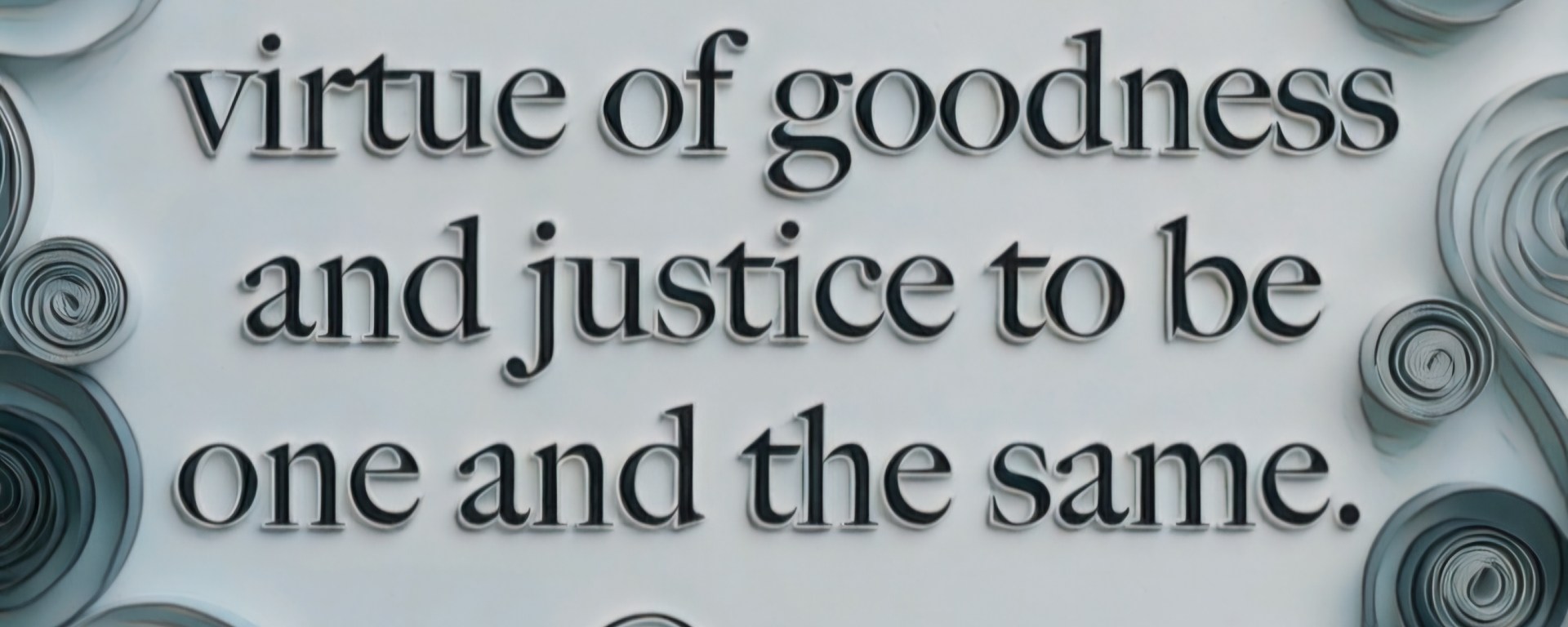
For if the law be found to be good, then undoubtedly He who gave it is believed to be a good God. But if it be just rather than good, then God also will be considered a just legislator. The Apostle Paul makes use of no circumlocution, when he says, “The law is good; and the commandment is holy, and just, and good.” From which it is clear that Paul had not learned the language of those who separate justice from goodness, but had been instructed by that God, and illuminated by His Spirit, who is at the same time both holy, and good, and just; and speaking by whose Spirit he declared that the commandment of the law was holy, and just, and good.
Origen. 1885. “De Principiis.” In Fathers of the Third Century: Tertullian, Part Fourth; Minucius Felix; Commodian; Origen, Parts First and Second, edited by Alexander Roberts, James Donaldson, and A. Cleveland Coxe, translated by Frederick Crombie, 4:280. The Ante-Nicene Fathers. Buffalo, NY: Christian Literature Company.
Into GenZ by Grok:
Yo, if the law actually slaps as good, then duh — the One who dropped it has gotta be a straight-up good God, no cap.
But if it’s more “just/fair” than straight vibes-good, then okay, God’s still the ultimate fair judge/legislator.
Paul doesn’t even tiptoe around it — he just hits ’em with:
“The law is good, and the commandment is holy, just, AND good.” (Romans 7:12 energy)
See? Paul wasn’t out here using that weird separated lingo some people push — like justice and goodness are two different squads. Nah, he got schooled straight from God Himself, lit up by the Holy Spirit who is holy + good + just all in one package.
That’s why, speaking through the Spirit, he straight-up called the law’s commandment holy, just, and good. No separation, period. 💯
 1love1god.com