

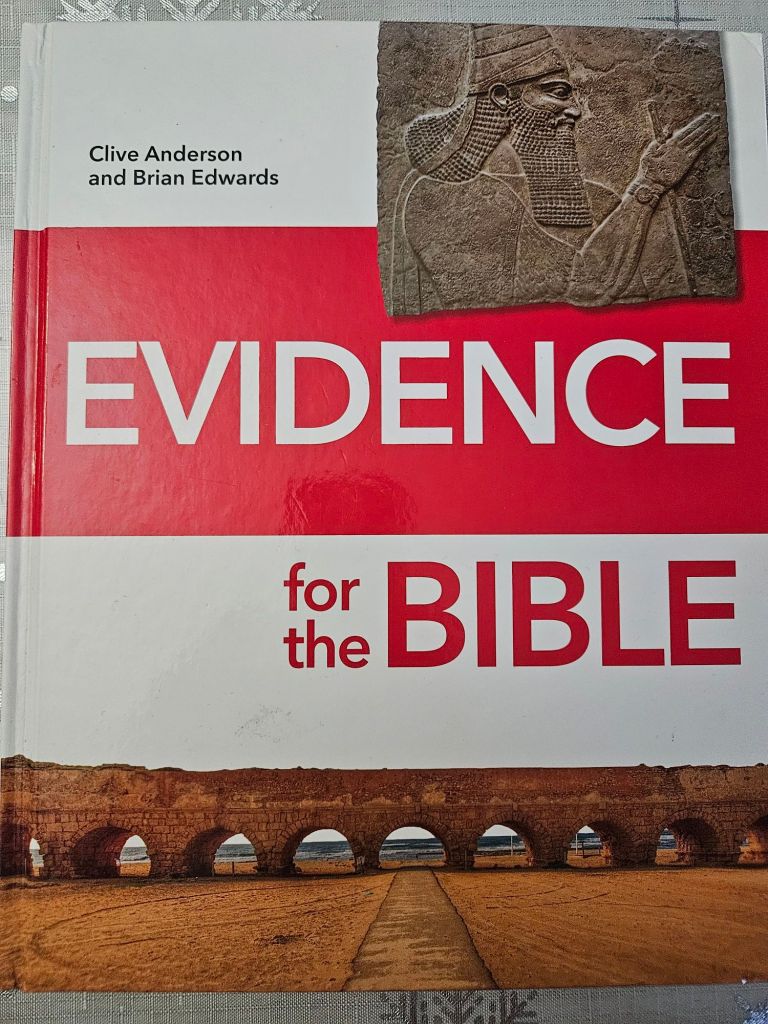
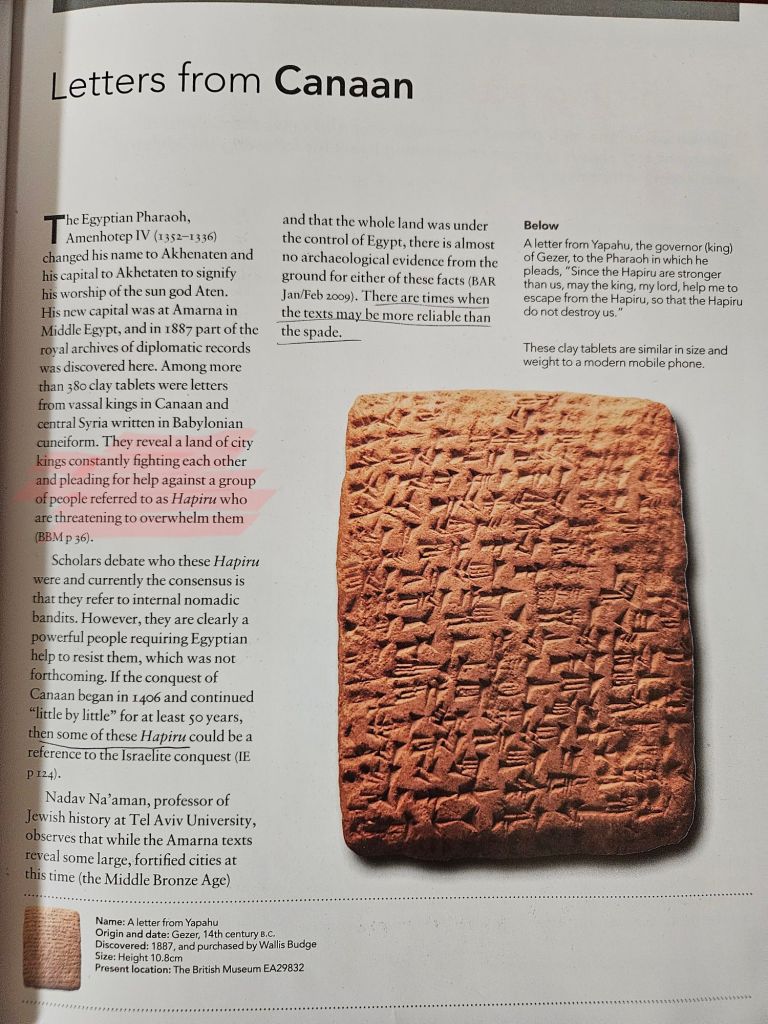
The Hapiru….interesting points but will have to wait and see for more to come hopefully.
I would just like to add that I asked Grok this questions some times before but here is the latest and it always come back with basically the same:
Was the Bible The only document we had at one time that claimed the Hittites existed?
Yes, for a significant period in modern history—particularly during the 18th and much of the 19th centuries—the Bible was essentially the only known textual source that mentioned a people called the “Hittites” (or “Hittite” in various translations) in any detail.
The Old Testament refers to the Hittites around 40–60 times (depending on the count and translation), portraying them as inhabitants of Canaan (e.g., in Genesis, Exodus, Joshua), with figures like Ephron the Hittite (Genesis 23), Uriah the Hittite (2 Samuel 11), and mentions of “kings of the Hittites” (e.g., 1 Kings 10:29). Before archaeological discoveries, no other ancient histories—Greek, Roman, Assyrian, Babylonian, or otherwise—preserved clear records of them as a distinct group or empire, leading some scholars to dismiss them as fictional or mythical.
This changed in the late 19th and early 20th centuries:
- Egyptian records (from the Amarna letters and other texts) referred to a powerful northern kingdom called “Kheta” (or similar), which interacted with Egypt, including the famous Battle of Kadesh (c. 1274 BCE) against Ramesses II.
- In the 1870s–1880s, scholars like Archibald Sayce connected these Egyptian “Kheta” references to the biblical Hittites.
- Major breakthroughs came with excavations at Boğazköy (ancient Hattusa) in modern Turkey, starting around 1906 under Hugo Winckler, uncovering the Hittite capital, thousands of cuneiform tablets, archives, and evidence of a major Indo-European-speaking empire in Anatolia (c. 1600–1200 BCE).
Until these discoveries (and the decipherment of related texts), the Bible stood virtually alone in claiming the existence of such a people in historical narratives. Some 19th-century critics even used this lack of corroboration to argue against the Bible’s reliability. The rediscovery vindicated the biblical references as preserving knowledge of a real ancient group that had been largely forgotten outside the Hebrew scriptures.
Note that modern scholarship distinguishes between:
- The imperial Hittites of Anatolia (the powerful empire uncovered archaeologically).
- The “Neo-Hittites” (smaller successor states in northern Syria after ~1200 BCE).
- The biblical “Hittites” in Canaan (often seen as possibly a related but distinct group, perhaps smaller clans or migrants, with some debate on exact connections).
However, the core claim—that the Bible was once the sole textual witness to their existence—holds up historically for the pre-archaeological era.
 1love1god.com